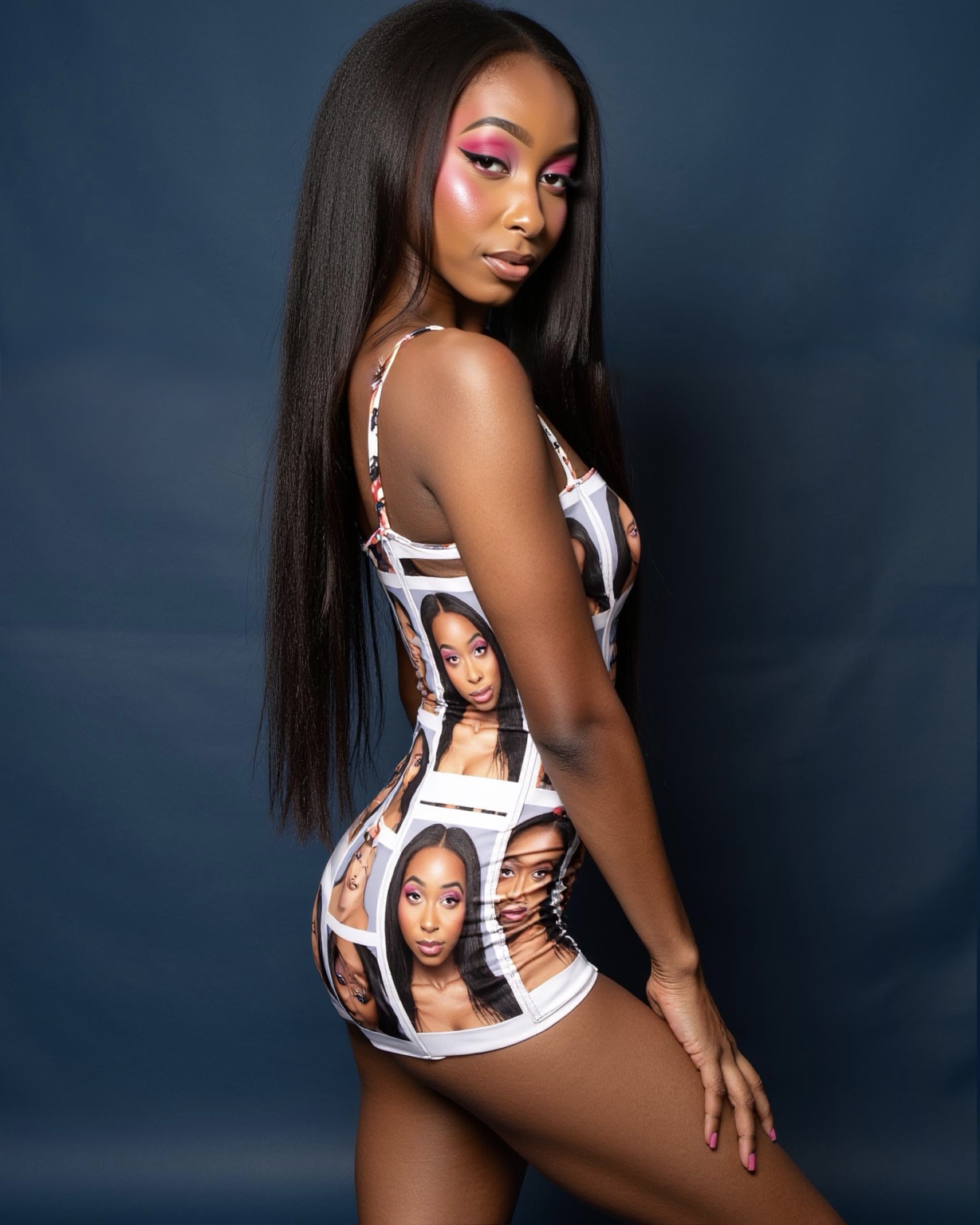
Personal branding can sound like you need to turn yourself into a logo, repeat one pose forever, or perform a personality that photographs well. You do not.
For a model, a personal brand is the pattern people notice across your images, words, materials, and working style. It helps someone understand what you bring to a project and remember you after the first look. The strongest version begins with what is already true.
Start with the impression you already create.
Gather your current portfolio, comp card, bio, website, and public social profiles. View them as if you have never met the person in the images.
Ask:
- What three words describe the overall impression?
- Which modeling lanes appear most clearly?
- Do the images feel connected, or does every platform introduce a different person?
- What strengths repeat across the work?
- What would a client still be unsure about?
Do not choose only flattering words. Look for accurate ones. If your work feels polished but distant, playful but inconsistent, or expressive but visually crowded, that information gives you somewhere useful to begin.
Choose three brand words you can actually support.
Select three words that connect who you are, how you want to work, and the opportunities you want to pursue. A commercial model might choose “warm, polished, relatable.” A beauty-focused model might choose “clean, detailed, expressive.” An editorial direction might feel “bold, controlled, unexpected.”
The words should guide decisions, not decorate a bio. If you choose “versatile,” your portfolio should show meaningful range. If you choose “professional,” your communication, preparation, and follow-through must support it. If you choose “luxurious,” the presentation should feel intentional without making claims your experience cannot prove.
Avoid choosing words only because they sound impressive. Choose words you can demonstrate in photos and behavior.
Connect your brand to a clear modeling direction.
Your personal brand becomes stronger when it supports the work you want. “Confident” is broad. “Confident beauty model with precise close-up expression” gives you a direction for shoots and outreach.
If you are still exploring, choose one primary lane and one supporting lane for now. Your brand can evolve as the evidence changes. The goal is to make your next season of work easier to understand, not to lock your entire career into one category.
If you need help identifying that direction first, read how to find your modeling lane without boxing yourself in.
Make your photos prove the message.
Your images carry more weight than a list of adjectives. Review each portfolio photo and ask what it contributes.
- Does it support the lane you want to pursue?
- Does it reveal a useful expression, skill, product interaction, or type of movement?
- Does it look current enough to represent the model who would arrive?
- Does it add information, or repeat something another image already shows?
You do not need one color, hairstyle, or facial expression in every photo. Consistency comes from a recognizable standard and direction. A commercial image and an editorial image can belong together when both feel intentional and both support the story you are telling about your range.
Write a bio that sounds like a person.
A model bio should make the important information easy to find. Begin with your name, location or working markets, primary lane, and a few relevant strengths. Add training, experience, or skills only when they are true and useful.
Avoid filling the paragraph with unsupported labels such as “international,” “award-winning,” or “highly sought-after.” You also do not need to announce that you are passionate five different ways. Use specific details that help someone picture where you fit.
Adapt that structure to your actual background. A short, accurate bio is stronger than a dramatic one that leaves the reader with questions.
Align your professional materials.
Your comp card, resume, portfolio, website, and email signature do not need identical designs, but they should agree on the basics. Use the same professional name, current measurements, contact details, market, and general visual direction.
Check for old bios, broken links, outdated images, or different measurements across platforms. A client should not have to decide which version is accurate.
A model website can bring those pieces into one controlled space. If you want help presenting your portfolio, bio, measurements, and contact information together, explore the Pretty in Pose Model Website Design service.
Give your social presence a job.
Your public modeling account does not need to become a nonstop advertisement. Decide what you want it to communicate and choose a few content categories that support that purpose.
Useful categories might include finished portfolio work, controlled behind-the-scenes moments, posing or movement practice, professional updates, and parts of your personality that fit your public boundaries. You do not have to post every day or share your private life to look active.
Before posting, ask whether the content strengthens the impression you want, adds useful context, or simply fills space. A smaller body of intentional work can be easier to understand than a busy feed with no clear direction.
Let your working style become part of the brand.
Personal branding continues after someone books you. How you confirm details, arrive prepared, receive direction, respect the team, protect boundaries, and deliver requested materials affects what people remember.
You cannot control every opinion, and professionalism does not mean accepting poor treatment. It means communicating clearly, handling your responsibilities, and addressing concerns directly.
A beautiful feed can attract attention. A dependable working style gives the brand substance.
Protect the parts of you that are not public.
A personal brand is a selected professional presentation, not permission for strangers or clients to access everything about you. Decide what information, relationships, locations, routines, and opinions you want to keep private.
Use a professional email, avoid publishing your home address, and review location details before posting in real time. You can be warm, memorable, and authentic without making your whole life available.
Complete a 30-minute brand reset.
- Five minutes: Write the three words your current materials communicate.
- Five minutes: Choose the three words you want to communicate next.
- Ten minutes: Remove or flag anything outdated, off-direction, or inconsistent.
- Five minutes: Rewrite your bio using accurate, specific language.
- Five minutes: Choose one portfolio gap and one professional habit to improve.
Then make one change at a time. Update the contact information. Replace the outdated image. Plan the missing shoot. Consistency grows through repeated decisions, not one perfect rebrand.
Your brand should make recognition easier.
You do not need to become louder, trendier, or less complicated to stand out. You need a clear direction, honest materials, and a standard people can recognize across the places where you show up.
Build from the truth. Edit with intention. Let the work and the way you work tell the same story.